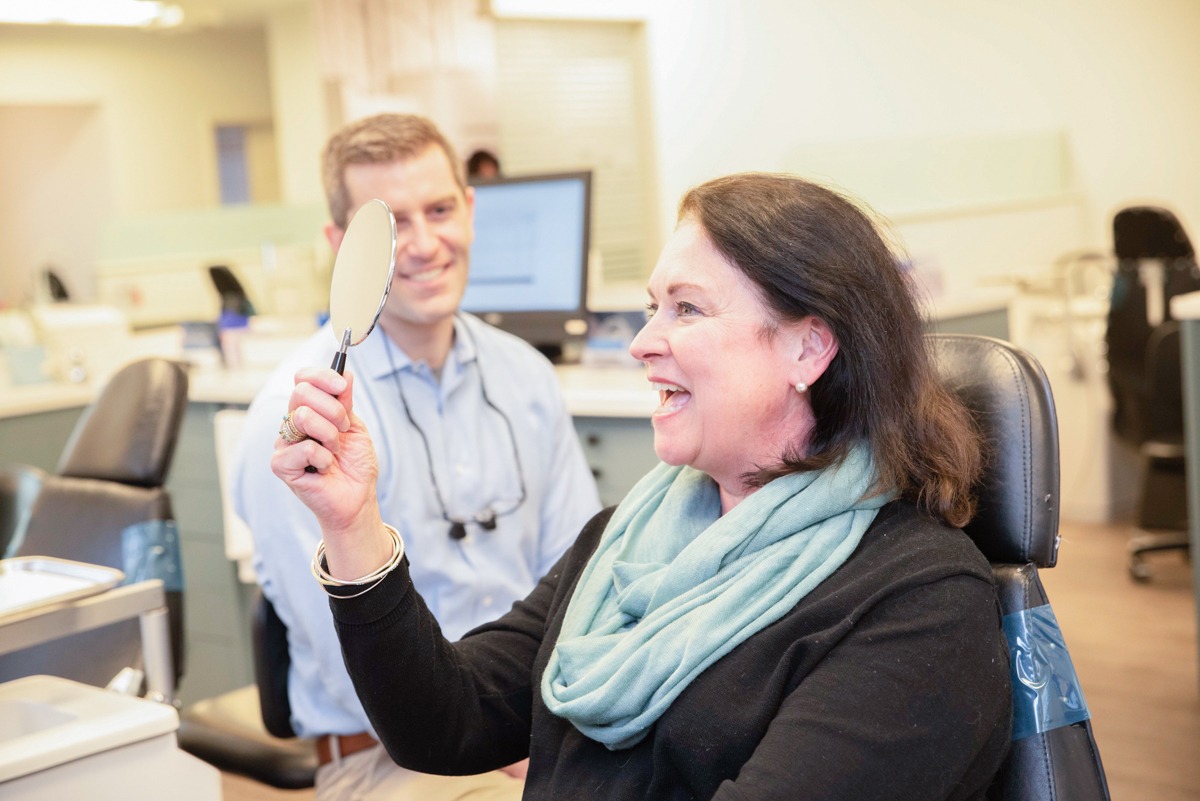
Think orthodontics is just for kids and teens? Think again. Today, 1 in 3 orthodontic patients is an adult, and nearly 2 million adults are currently straightening their smiles, according to the American Association of Orthodontists. Modern treatments are more comfortable, more discreet, and better suited to busy grown-up lives than ever before.
Whether you’re bothered by teeth that have shifted over the years, a bite issue that causes jaw discomfort, or you simply want the smile you’ve always pictured, this guide walks you through your options. You’ll learn what treatments are available, what the process looks like, and how to decide what’s right for you.
Is It Ever Too Late to Get Braces as an Adult?
No. There is no upper age limit for orthodontic treatment. As long as your teeth and gums are healthy, you can benefit from treatment in your 30s, 40s, 50s, or beyond.
The American Association of Orthodontists confirms that age itself isn’t a barrier. What matters is the health of your teeth, gums, and jawbone. Many adults start treatment during major life moments: a career change, a wedding, or simply the decision to invest in themselves.
So if you’re wondering whether 30 is too old for braces, the honest answer is that it isn’t. Neither is 45. Neither is 65. Dr. Brady sees adults of every age at Brady Orthodontics who go on to love their new smiles.
Why Adults Choose Orthodontic Treatment
Adults come to Brady Orthodontics for all kinds of reasons. Some are health-driven. Others are cosmetic. Most are a mix of both.
Here are the most common motivations we hear:
- Teeth have shifted over time, especially after retainer wear stopped years ago
- Bite issues cause jaw discomfort, headaches, or neck tension
- Crowded teeth make brushing and flossing harder, raising the risk of cavities and gum disease
- Uneven wear is chipping enamel or wearing certain teeth down
- Preparing for restorative work like crowns, bridges, or veneers
- Confidence in meetings, photos, dating, and everyday life
A straighter smile isn’t just about appearance. Properly aligned teeth are easier to keep clean, distribute bite pressure more evenly, and can help protect your natural teeth for decades to come.
Common Orthodontic Issues in Adults
Many adults live with bite and alignment concerns for years without realizing they can be corrected. Here are the issues Dr. Brady sees most often:
Overcrowding
When there isn’t enough room in the jaw, teeth overlap, twist, or push forward. Crowded teeth are harder to clean and more prone to decay.
Overbite
The upper front teeth extend too far past the lower teeth. Over time this can wear down enamel and stress the jaw joint.
Underbite
The lower teeth sit in front of the upper teeth. This can affect chewing, speech, and facial balance.
Open Bite
The upper and lower teeth don’t meet when the mouth is closed. It can make biting into food difficult.
Gaps and Spacing
Extra space between teeth can trap food and affect the look of your smile.
TMJ and Jaw Discomfort
Misaligned bites often contribute to jaw tension, clicking, and chronic headaches.
Uneven Wear
When teeth don’t meet evenly, some take more force than others, leading to chipping and enamel loss.
Adult Orthodontic Treatment Options
Good news: you have more choices than ever. Here’s a look at the main options available to adults.
Metal Braces
Today’s metal braces are smaller, sleeker, and more comfortable than what you may remember from years ago. At Brady Orthodontics, we use KLOwen braces, a custom bracket system designed for each individual smile. Metal braces work well for a wide range of cases, including complex ones, and remain one of the most versatile options for adults.
Clear Braces
Clear braces work just like metal braces but use tooth-colored brackets that blend in with your natural smile. They’re a popular pick for adults who want a subtle look without switching to removable aligners.
Clear Aligners
Clear aligners are a series of nearly invisible trays that gradually shift your teeth. They’re removable for eating, brushing, and flossing, and they fit smoothly into a professional lifestyle. Compliance matters here: aligners work best when worn 20 to 22 hours a day.
Lingual Braces
Bonded to the back of the teeth, lingual braces are hidden from view. They’re one of the most discreet options available.
Orthognathic Surgery
For severe jaw misalignment that can’t be corrected with braces or aligners alone, jaw surgery may be recommended alongside orthodontic treatment. This is reserved for a small number of complex cases.
Treatment Comparison: Which Option Is Right for You?
Every smile is different, and the right choice depends on your goals, lifestyle, and the complexity of your case. Here’s a side-by-side look:
| Treatment | Treatment Time | Visibility | Best For |
|---|---|---|---|
| Metal Braces | 12–24 months | Visible | Complex cases |
| Clear Braces | 12–24 months | Subtle | Adults wanting a discreet fixed option |
| Clear Aligners | 12–18 months | Nearly invisible | Mild to moderate cases, professionals |
| Lingual Braces | 18–24 months | Hidden | Adults prioritizing maximum discretion |
Treatment timelines vary based on individual needs. Dr. Brady will map out specifics during your free consult.
A few things to weigh as you compare:
- Lifestyle: Do you travel often? Give presentations? Play contact sports?
- Compliance: Aligners only work when you wear them consistently.
- Complexity: Some bite issues respond better to braces than aligners.
- Financing: We offer options to help treatment fit your plans. See our insurance and financing details for more.
The best way to know which treatment fits is a personalized exam with Dr. Brady.
The Adult Orthodontic Treatment Process: Step-by-Step
One of the best parts of adult treatment is how predictable and structured the process is. Here’s what to expect at Brady Orthodontics.
Step 1: Your Free Consult
Your first free exam includes a full look at your teeth, bite, and jaw. Dr. Brady uses digital scans and photos (no messy impressions) to get a clear picture of your smile. You’ll talk through your goals, ask questions, and get a sense of what’s possible.
Step 2: Your Personalized Treatment Plan
Dr. Brady designs a plan built just for you. You’ll learn the recommended treatment, the expected timeline, and how often you’ll come in.
Step 3: Getting Started
Once you’re ready, your braces are placed or your first set of aligners is delivered. It typically takes about an hour. Some pressure or tenderness is normal for a few days as your teeth begin to shift.
Step 4: Adjustment Appointments and Check-Ins
Every 4 to 8 weeks, you’ll stop by so Dr. Brady can check progress and make small adjustments. These visits are short and keep your smile journey moving on schedule.
Step 5: Completion and Retainers
When your teeth reach their new positions, your braces come off (or your aligners are complete). You’ll receive a custom retainer, and wearing it as directed is what will keep your smile for a lifetime.
Long-Term Benefits of Adult Orthodontic Treatment
A straighter smile pays dividends well beyond how you look in photos. Here’s what many adults notice after treatment:
- Easier daily brushing and flossing
- Lower risk of cavities, gum disease, and tooth loss
- Even bite pressure that protects teeth from premature wear
- Relief from jaw tension and chronic headaches
- A confidence boost in social, professional, and personal settings
- Better preparation for future restorative work
At Brady Orthodontics, our goal is simple: help you keep your smile for a lifetime.
How to Choose the Right Orthodontist
Not every provider is equally equipped to treat adults. Here’s what to look for:
- Board certification. A board-certified orthodontist has completed additional testing and demonstrated a high standard of care.
- Experience with adult patients. Adult cases can be more nuanced than teen cases due to existing dental work and jawbone maturity.
- State-of-the-art technology. Digital scans, digital X-rays, and modern bracket systems mean more accurate treatment and greater comfort.
- A thorough consultation. You should leave your first visit with clear answers, not a pressure pitch.
- Avoid DIY or mail-order aligners. Without in-person exams and professional oversight, these services can create serious bite and gum problems.
Dr. Brady is a board-certified orthodontist with years of experience helping children, teens and adults achieve their dream smile.
Frequently Asked Questions About Adult Orthodontics
Can you get orthodontic treatment as an adult? Yes. Adults can absolutely get orthodontic treatment. As long as your teeth and gums are healthy, you’re a candidate at any age.
Is 30 years old too late for braces? Not at all. Thirty is well within the range where adults commonly start treatment. There’s no age cap on straightening your smile.
Does insurance cover adult braces? Some dental plans include an orthodontic benefit for adults. Coverage varies, so check your specific plan.
How long does adult orthodontic treatment take? Most adult treatment takes between 12 and 24 months. Simpler cases may finish sooner, and complex cases may take longer. Dr. Brady will give you a specific timeline at your free consult.
Do I have to wear a retainer forever? Yes, in some form. Teeth naturally want to shift back over time, so wearing your retainer as directed is what protects your results long-term.
Are clear aligners as effective as braces? For mild to moderate cases, clear aligners can be just as effective as braces when worn 20 to 22 hours per day. For more complex cases, braces are often the better fit.

Ready to Start Your Smile Journey?
It’s never too late to invest in your smile and your health. Whether you’re leaning toward clear aligners, clear braces, or KLOwen metal braces, Dr. Brady and the team at Brady Orthodontics will help you find the right fit.
Getting started is easy. Schedule your free consult today and take the first step toward your dream smile.
Dream big. Smile big.